One brand video can be enough to produce, but it is rarely enough to use on its own. Most brands put their budget into a single hero film, launch it with a post or two, and then leave it on their website and YouTube channel, where it quietly stops working within a few weeks. The brands that see real returns treat that same production as the source for a whole family of content, including shorter cutdowns, vertical versions for social, stills, quotes and localised edits, and they plan for all of it before the camera starts rolling.
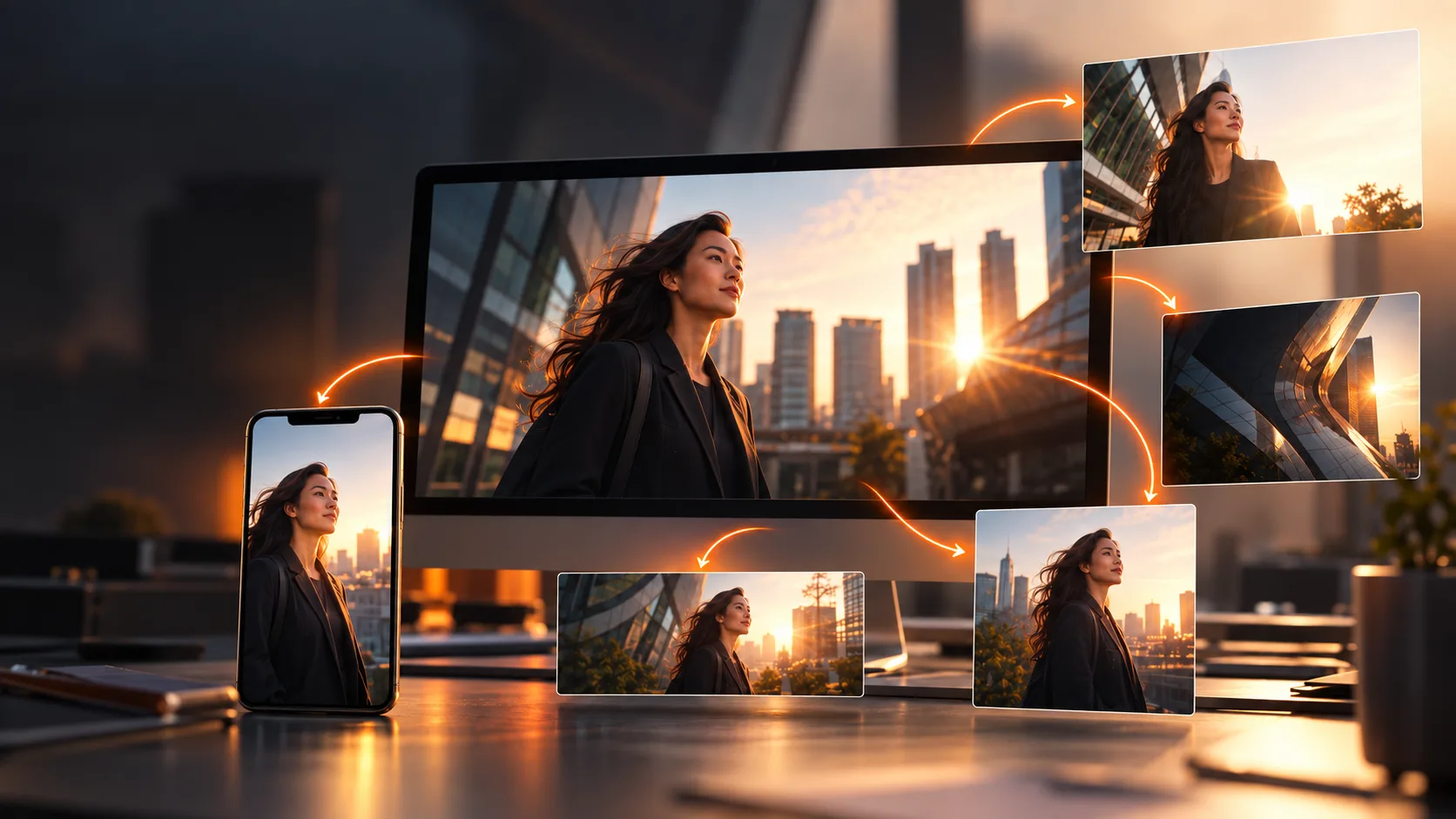
Why most brand videos stop working after launch
We see the same pattern with brands of every size. A lot of thought, time and budget goes into the brand video, from the concept and script through to the shoot and the final grade, and everyone is rightly proud of the result when it’s done. It goes live on the website, gets shared on LinkedIn and Instagram, perhaps runs as an ad for a few weeks, and then the attention fades while the video sits on the homepage doing very little.
The issue is rarely the quality of the film. It’s that a two or three minute piece made for one purpose is being asked to work everywhere, when people watch very differently depending on where they are. Someone scrolling Instagram on the MRT gives you a few seconds, a decision maker on LinkedIn usually watches with the sound off, and a prospect in a meeting room needs the one clip that makes your point quickly. A single format simply can’t serve all of those moments, so most of the audience you paid to reach never really sees the work.
What one production can become
When a shoot is planned with adaptation in mind, the hero film becomes the starting point for a much wider set of content, and a single production can comfortably support a brand’s channels for several months. Depending on the brief, that usually includes:
- The hero film, the full story for your website, YouTube and launch moments.
- 30, 15 and 6 second cutdowns, each built around a single message for paid social and pre-roll.
- Vertical versions for Instagram Reels, TikTok and YouTube Shorts, framed properly rather than cropped as an afterthought.
- Silent, subtitled edits for LinkedIn and other feeds where most people watch without sound.
- Stills and pull quotes taken from the shoot for static posts, articles, banners and presentations.
- Behind the scenes footage that gives your social channels a more personal, human angle.
- Short clips for sales and events, such as a looping edit for a booth screen or a one minute version for a pitch deck.
- Localised versions with different languages, subtitles or voiceovers for each market you operate in.
None of these needs to feel like a lesser version of the main film. Each one is simply the same story told in the shape that suits the place it’s being watched, which is what lets the original investment keep working long after launch.
Why adaptation has to be planned before the shoot
The most important thing we tell clients is that adaptation starts at the planning stage, not in the edit suite. Once the crew has packed up, what you can make is limited to what was captured on the day, and trying to fill the gaps afterwards is usually expensive, sometimes impossible, and rarely looks as good as it should.
Planning ahead doesn’t have to add much to the budget. It means framing key scenes so they work in both horizontal and vertical formats, recording a few extra lines or shorter takes that can stand alone as cutdowns, setting aside time for a photographer or a second camera to capture stills and behind the scenes moments, and thinking about subtitles and on-screen text from the scriptwriting stage. These are small decisions on a shoot day, but together they decide whether you walk away with one video or with a full library of content.
It also helps to agree early on where each piece will live and what it needs to do there. When the social team, the sales team and the brand team are all part of the conversation before production, the shot list reflects how the content will actually be used, rather than everyone trying to make the hero film fit their channel later.
Adapting for different audiences and markets
For brands working across more than one market, adaptation is also about making sure the story lands with each audience. Singapore and Malaysia share a great deal, but the details that make content feel familiar are often different, from the languages people expect to hear and read, to the settings, humour and cultural cues that feel natural, to the platforms each audience spends most of its time on.
The good news is that one well-planned production can usually serve both markets. Capturing scenes that travel well across the region, recording voiceovers or on-screen text in English, Bahasa Malaysia and Mandarin where it makes sense, and allowing for small edits that swap in local references all make it possible to run a regional campaign from a single shoot. That approach is far more efficient than producing separately for each market, and it keeps the brand consistent while still feeling local wherever it’s seen.
Making the most of your next brand video
If you’re planning a brand video, the simplest way to get more from it is to change what you ask for in the brief. Rather than asking an agency for one film, ask for a content plan built around one production, and share where the content needs to appear, which markets it needs to reach, and how long you’d like it to keep working. That gives the creative team what they need to plan the shoot around every output from the start.
A brand video is a meaningful investment, and it deserves to work harder than a single launch post allows. Planned well, one production can carry your brand across every channel and market you care about for months, which is a far better return than a beautiful film that only a fraction of your audience ever sees.
Frequently asked questions
- How many pieces of content can one video shoot produce? It depends on the brief, but a well-planned shoot can usually produce a hero film, several cutdowns, vertical versions for social, subtitled edits, stills and behind the scenes footage, which is often enough to support a brand’s channels for a few months.
- Should I make different versions of a video for each platform? Yes, in most cases. People watch differently on Instagram, LinkedIn, YouTube and a website, so adjusting the length, format and use of subtitles for each platform helps the content hold attention and perform better.
- Is it cheaper to adapt a video than to shoot new content? Generally, yes, as long as the adaptations were planned before the shoot. Editing existing footage into new formats costs far less than organising another production, although content that was never captured on the day can’t be created in the edit.
- When should adaptations be planned? Ideally at the briefing and scripting stage, before the shot list is finalised. That’s when decisions about framing, extra takes, stills and languages can be made at very little additional cost.