Walk into almost any marketing meeting and the conversation eventually turns to Gen Z, from how to reach them and what they care about to which platform they’ve moved to this month. It’s understandable, but it also means one of Singapore’s largest and fastest-growing audiences is quietly being overlooked. Singapore became a super-aged society in 2026, and most of its older citizens are well, independent and online, yet they rarely come up in brand conversations, and when they do appear in content, it’s often as a stereotype. The silver generation isn’t a niche to be handled separately, but a huge part of everyday Singapore, and how brands see them says a lot about how well they understand the country they’re talking to.
Singapore is now a super-aged society
As of June 2026, 21.4% of Singapore’s citizens are aged 65 and above, up from 13.7% a decade ago, which officially makes Singapore a super-aged society. By 2035, more than one in four citizens will be in that age group. The shift is only going to accelerate, since the 60 to 64 age group is currently the largest segment of the population and will cross 65 over the next five years.
What’s easy to miss in those numbers is what this generation actually looks like. When Silver Generation Ambassadors visited 400,000 seniors in 2025, they found that nine in 10 of those aged 65 and above were well and independent, which led the Health Minister to point out that 65 is a calendar milestone rather than a life milestone. Life expectancy at birth has also reached 83.9 years, so many Singaporeans turning 65 today have two decades or more of active life ahead of them, with time to travel, learn, socialise, work and spend.
The gap between real seniors and the ones in ads
Think about how older people usually appear in advertising. They’re often shown being helped across a road, sitting alone by a window, squinting at a phone they can’t work out, or being looked after by a younger relative. Those moments are real for some, but they’ve become the default picture of an entire generation, and that picture no longer matches what most seniors in Singapore are living.
The reality is that older Singaporeans are very much connected. According to IMDA, 96% of seniors were communicating online in 2023, up from 87% in 2017, and a study by SMU’s Centre for Research on Successful Ageing found that around 92% of older adults surveyed own a smartphone, using it largely for social networking and entertainment. Walk past any void deck, park or Active Ageing Centre and you’ll see seniors exercising, learning, volunteering, catching up with friends and sharing videos in their group chats.
When brands keep relying on outdated portrayals, the cost is more than a missed audience. Older viewers simply don’t see themselves in the content, and some find it quietly patronising, which is the opposite of the trust brands hope to build. It also shapes how younger audiences see ageing, which matters for everyone, given that this is the future most of us are heading towards.
What older audiences actually respond to
In our experience, older audiences respond most to content in which they recognise themselves, as people who lead, decide, laugh, learn and help others, rather than only being on the receiving end of care. Real faces tend to feel far more believable than polished models, and familiar settings such as the neighbourhood, the hawker centre or the community centre make content feel grounded in everyday life rather than in an advertiser’s idea of it. Language plays a part too, since many older Singaporeans are more comfortable in Mandarin, Malay, Tamil or a dialect than in English, and hearing a familiar language immediately makes content feel more personal.
What we learned creating active ageing content
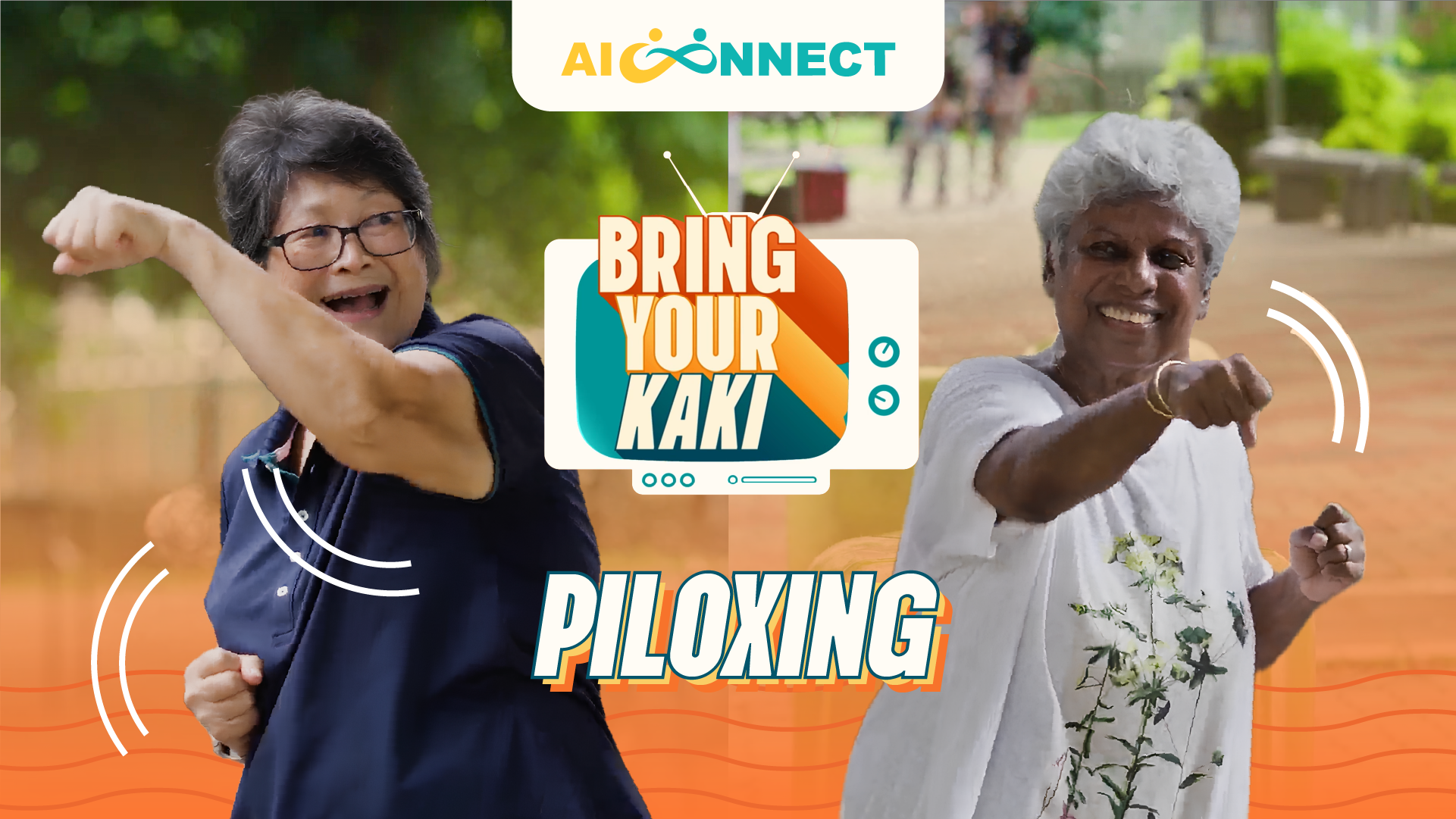
At LOKi, we’ve had the opportunity to see this up close through our work with the Agency for Integrated Care (AIC), from social media branding to multilingual content for the community care sector. One of the most meaningful projects was a campaign to highlight Active Ageing Centres across Singapore, with seniors who actually take part in these programmes. The cast weren’t actors playing a role but actual participants of active ageing centres enjoying something they genuinely do every week, and their energy, humour and friendships came through on camera in a way no script could have created. The story wasn’t about being cared for, it was about staying strong, sharp and connected.
A few lessons have stayed with us since. The most important is to show older people doing things rather than having things done for them, and to plan the shoot around their pace and comfort so they can simply be themselves. It helps to think about language from the very start, since the same message can land quite differently in English, Mandarin, Malay or Tamil, and to leave room for personality, because that’s what makes other seniors want to join in and what makes their families stop and watch.
Don’t forget the family around them
Marketing to older Singaporeans rarely reaches only them. Adult children often help research a purchase, set up a new app, book a holiday or encourage a parent to try a programme, and grandchildren are frequently the ones sharing a video into the family group chat. In many households, decisions about health, home, finances and leisure are made together across generations.https://www.youtube.com/embed/U-t7xjVT0vM?si=7hHxFZFrLK1qQ5bc
That makes positive portrayals doubly important. Content that shows seniors as capable and active reassures the whole family, and it gives younger relatives something they’re happy to pass along. It also opens up opportunities for brands to create multi-generational content, such as grandparents and grandchildren learning something together or adult children rediscovering an activity with their parents, which reflects how many Singapore families genuinely live.
The real stories are already there
The most powerful content about ageing rarely comes from a script. It comes from the stories older Singaporeans already carry with them, about the friends they’ve made, the routines that keep them going and the small moments that make a week feel full. Those stories are there, but they need to be drawn out, and that takes time, trust, the right questions and the patience to let people speak in their own language and at their own pace.
i wan
We saw this clearly in Bring Your Kaki, a series we created for AIC featuring seniors who have found their kakis through activities at Active Ageing Centres. Rather than writing lines for them to say, we spent time with them and let them tell us in their own words what their lives look like now, and two stories kept coming through.
Living well after retirement. For many of the seniors we met, retirement wasn’t about slowing down but about finding a new rhythm. With work no longer filling their days, they had deliberately built routines around staying healthy, keeping their minds active and spending time with friends, whether that meant an early morning walk, a weekly exercise class or simply turning up at the centre to catch up. Living meaningfully, for them, was something they actively chose and worked at, rather than something that happened to them.
Wanting to contribute, not just receive. Just as striking was how many seniors wanted to know how they could give back. They weren’t only looking for activities to fill their time, but for ways to be useful, such as helping to run sessions, welcoming newcomers, sharing a skill or looking out for a neighbour. Being needed gave them a sense of purpose that no programme could simply hand them, and it changed how they saw themselves, from participants to contributors.
Together, these stories point to something brands and organisations often miss. Older Singaporeans want purpose as much as wellbeing, and they respond to being invited to contribute rather than being positioned only as people to be helped. Content that reflects that truth is what makes other seniors want to join in, and what makes their families proud to share it.
At LOKi, this is how we approach every story we tell, whether the audience is Gen Z, the silver generation or everyone in between. We look for the real people behind the brief, ask the questions that bring their stories to the surface and shape the content around what they genuinely say and feel. If you’d like to find the real stories in your own brand or community, get in touch with us and we’d be glad to share what we’ve learned. You can also see some of our work or find out more about LOKi.
Frequently asked questions
What does it mean that Singapore is a super-aged society?
A society is considered super-aged when at least 21% of its population is aged 65 and above. Singapore crossed that threshold in 2026, with 21.4% of citizens in that age group, and the share is expected to rise to more than one in four by 2035.
Are seniors in Singapore active on social media?
Yes. IMDA data shows that 96% of seniors were communicating online in 2023, and most older adults own a smartphone, which they use for messaging, social networking and entertainment. Content for older audiences should be designed to work well on these platforms.
How should brands portray older people in advertising?
Show them as capable, active and independent, taking part in everyday life rather than only being cared for. Cast real older people where possible, avoid language that makes them feel old or fragile, and reflect the settings and relationships that are part of their daily lives.
Which languages should content for older Singaporeans use?
It depends on the audience, but many older Singaporeans are more comfortable in Mandarin, Malay, Tamil or a dialect than in English. Planning multilingual versions from the start, rather than translating afterwards, usually produces content that feels far more natural.
Should content for seniors also speak to their families?
Often, yes. Adult children and grandchildren frequently help research purchases, set up services and share content within the family, so positive, multi-generational content can reach and reassure the whole household.
Does LOKi have experience creating content for older audiences?
Yes. LOKi is an independent digital creative agency working with brands and organisations in Singapore, and our work with the Agency for Integrated Care has included social media branding, multilingual content for the community care sector and videos for the Frailty Prevention Programme filmed with seniors at Active Ageing Centres. You can explore our work here, find out more about us or start a conversation about your next project.